Link Building for Competitive Markets: Relevance, Quality, and Risk
In crowded niches, Link Building succeeds when relevance, quality, and risk controls stay aligned. Leads Flow Labs in Los Angeles, California helps business owners, founders, and marketing leaders in home services, real estate, medical aesthetics, and e-commerce prioritize durable links over volume so authority compounds without penalties.
Key takeaways
- Relevance beats raw domain metrics in competitive SERPs.
- Editorial quality and clear intent reduce long-term risk.
- Diversified, natural patterns protect rankings under scrutiny.
- Local entities and topical fit strengthen trust signals.
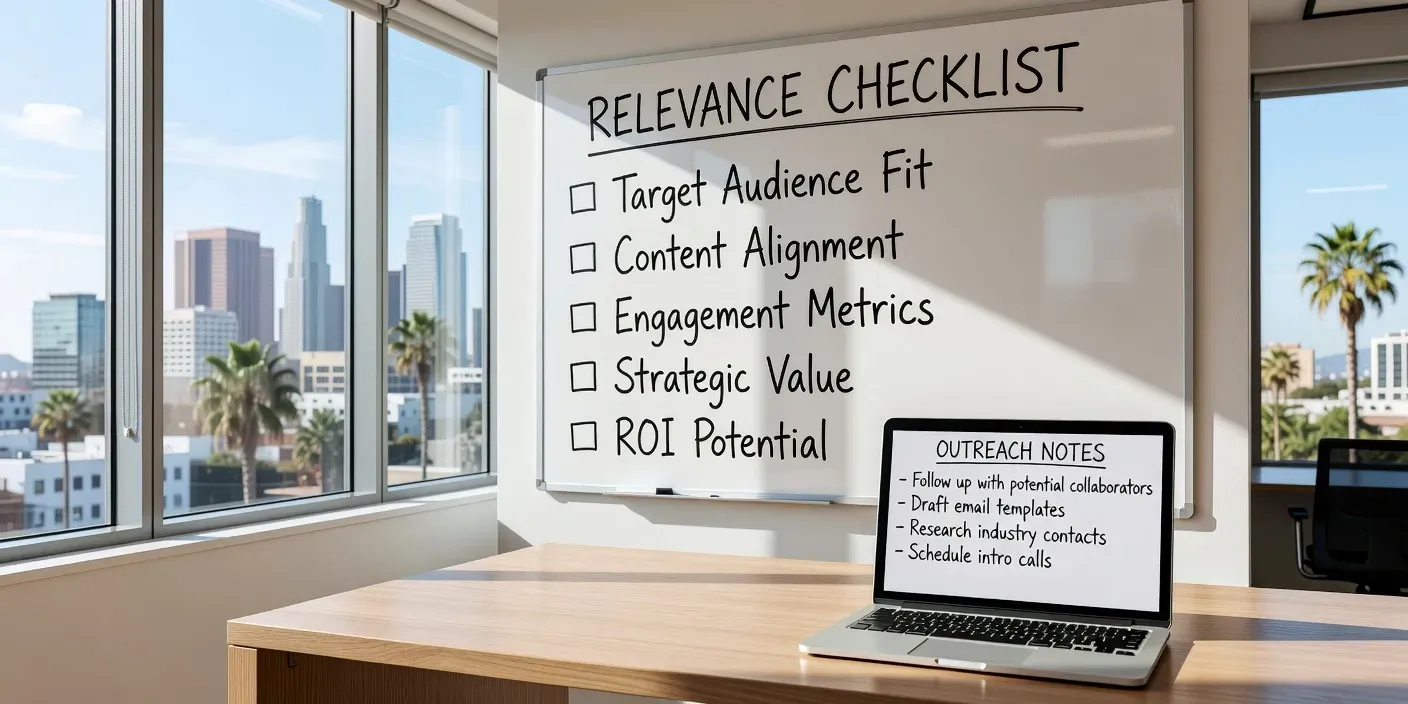
Why does relevance matter more than volume in tough niches?
Relevance matters more than volume because search systems reward links that match topic, audience, and business context, so a fewer high-fit placements often outperform large batches of weak mentions for home services, real estate, medical aesthetics, and e-commerce brands competing in Los Angeles and beyond.
Which Link Building approaches fit competitive markets best?
Editorial and partner links usually fit competitive markets best because they carry clear topical relevance, real audience overlap, and lower manipulation risk than mass directories or paid networks, so home services, real estate, medical aesthetics, and e-commerce teams in Los Angeles, California gain steadier authority when placements match intent instead of chasing raw volume.
| Approach | Best for | Watch-out |
|---|---|---|
| Editorial mentions | Authority and trust in crowded SERPs | Needs genuine story or data angle |
| Local partnerships | Geo relevance near service areas | Weak if partner has thin topical fit |
| Resource citations | Evergreen pages and guides | Slow to earn without useful assets |
| Supplier or association links | Industry legitimacy signals | Avoid reciprocal link schemes |
Quality still hinges on context. A single relevant citation from a trusted local or niche site often moves rankings more than dozens of generic footprints. Patterns should look natural across anchors, domains, and timing so risk stays controlled while authority compounds.
Which Link Building Signals Matter More in Competitive Niches?
In competitive markets, Link Building works best when relevance and editorial quality outrank raw volume, because search systems reward contextual citations that match user intent, local trust, and category expertise—especially for home services, real estate, medical aesthetics, and e-commerce brands competing in Los Angeles, California—while reducing penalty exposure from manipulative patterns.
Relevance means the linking page covers the same problem your offer solves. A roofing guide citing a local contractor beats a random blog roll. Quality means the host has real readers, clear authorship, and stable history. Risk rises when anchors repeat, domains cluster, or placements look bought in bulk.
Compare a neighborhood association mention to a global directory dump. The association often carries geo and topical weight. The dump may add noise and pattern risk. Founders should score each opportunity on fit, traffic likelihood, and how it sits beside existing links
Pace matters. Steady, earned placements compound more safely than spikes. Document why each link exists so your story stays consistent under scrutiny.
Leads Flow Labs frames Link Building around those filters inside its services. For a next-step audit of your pipeline, contact the team before you scale outreach.
Relevance, quality, and risk stay the practical filter when Link Building must move the needle in crowded categories. Teams that score every placement on problem fit, real audience, and pattern hygiene usually outlast campaigns that chase volume alone, especially when rivals in Los Angeles, California already hold strong local citations.
Why relevance beats raw volume in Link Building
Relevance keeps Link Building aligned with the query the buyer actually types, so a topical host that discusses the same service problem transfers clearer intent than a high-metric page with no category overlap. Home services, real estate, medical aesthetics, and e-commerce founders should map each candidate URL to a user job, a local trust signal, and a content angle that already exists on the site. That discipline cuts wasted outreach and steadies growth when competitors flood generic directories.
Quality signals that hold up under review
Quality in Link Building shows up as stable publishing history, named authors, and readers who engage beyond a single spammy paragraph. Prefer hosts that already rank for related entities, cite sources, and avoid sudden outbound spikes. Neighborhood associations, professional guilds, and editorial local features often outperform bulk listings because the surrounding page context matches how people evaluate vendors in Los Angeles, California markets.
Managing risk while you scale outreach
Risk climbs when anchors repeat, domains share footprints, or placements arrive in unnatural bursts that look purchased. Pace Link Building as earned mentions with a written rationale for each live URL, and diversify hosts across geo, category, and format. Documenting intent protects the story if algorithms or manual checks review the graph later.
Frequently Asked Questions
What makes Link Building effective in competitive markets?
Link Building works when each placement matches the problem you solve, reaches real readers, and sits beside a natural link graph.
How do I judge backlink quality before outreach?
Judge hosts by niche overlap, real audience signals, outbound linking patterns, and brand safety. Prefer pages that help readers and align with your offer. Avoid sites that exist mainly to sell placements, use identical anchors, or show no substance beyond paid links in crowded categories.
Why is anchor variety important for Link Building risk?
Identical exact-match anchors look manipulative and raise pattern risk when volume grows. Natural brand, URL, and descriptive phrases mirror how people cite sources.
Preferred Source on Google Search
Add www.leadsflowlabs.com to customize your search feed across Top Stories.