Keyword Research for Lead Generation: Prioritizing Intent Over Raw Search Volume
Learning how to find high intent keywords that generate business leads means ranking phrases by purchase readiness, not raw volume. Leads Flow Labs helps founders and marketing leaders in home services, real estate, medical aesthetics, e-commerce, SaaS, and local markets turn search demand into qualified pipeline through intent-first research.
Key takeaways
- Score keywords by commercial and transactional intent before volume.
- Prefer modifiers that signal budget, timing, and vendor comparison.
- Map phrases to offers, pages, and sales handoff paths early.
- Review SERP features and competitor gaps before committing content.

Why does search intent beat raw volume for leads?
High-intent keywords convert because they match people already comparing options, requesting quotes, or ready to buy, while high-volume informational terms mostly attract browsers who never enter your funnel. Teams that filter for commercial language, local modifiers, and problem-plus-solution phrasing waste less budget and feed sales cleaner opportunities from the same research effort.
Which keyword types should you prioritize for pipeline?
Transactional and commercial-investigation phrases should outrank pure informational queries when your goal is how to find high intent keywords that generate business leads, because they mirror quote requests, vendor shortlists, and near-term purchase decisions rather than casual research that rarely reaches sales.
Score each candidate for readiness signals: pricing language, “near me,” brand-versus-brand, and service-plus-problem pairs. Map winners to landing pages your
Services can support so content and offer stay aligned.

| Intent tier | Best for | Watch-out | Lead signal |
|---|---|---|---|
| Transactional | Quote and booking pages | Thin service copy | Form and call starts |
| Commercial | Comparison and “best” guides | Ranking only big publishers | Demo and consult clicks |
| Local commercial | Home services and clinics | Ignoring map pack layout | Geo-qualified inquiries |
| Informational | Top-of-funnel education | Counting traffic as pipeline | Low sales acceptance |
Keep volume as a tie-breaker after intent, SERP fit, and sales handoff clarity. The About method favors fewer phrases with clearer buyer language. When your shortlist is ready, Contact to turn priorities into pages and tracking.
High Intent Keywords or High Volume Keywords: Which Should You Rank First?
Rank high intent keywords before high volume keywords when you need how to find high intent keywords that generate business leads, because buyer-ready phrases convert on quote forms, demos, and booked calls while broad volume often fills analytics with research traffic your sales team will not accept as pipeline.
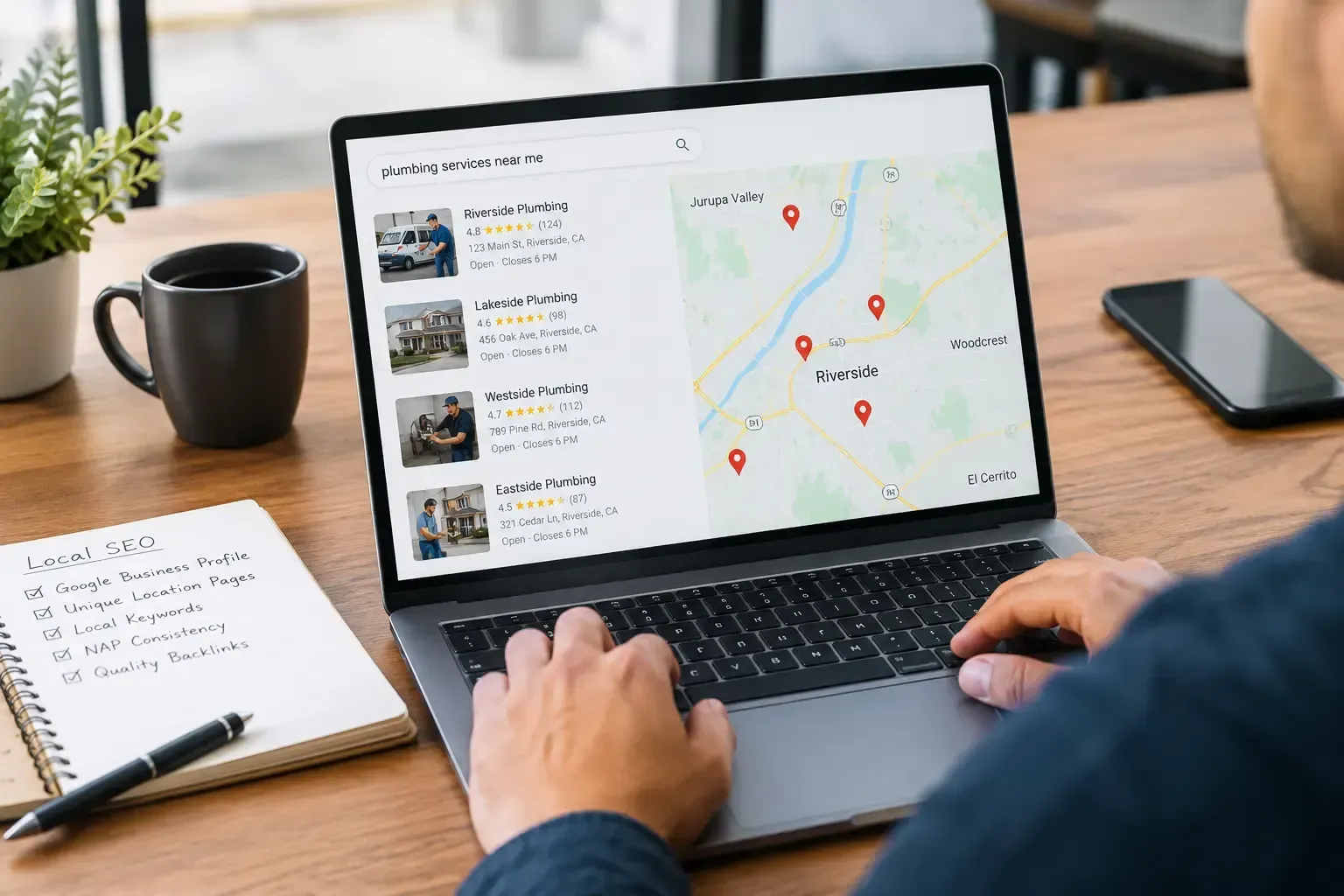
Start with commercial and transactional modifiers your buyers already use. Pair service names with cost, near me, versus, and problem-plus-solution language. Drop pure curiosity terms that never mention buying, booking, or vendor choice.
Check the live SERP before you commit. If results show map packs, comparison pages, or service landing pages, the query can support lead capture. If results are pure definitions, treat volume as optional education only.

Build a short ranked list, not a giant dump. Give each phrase an intent score, a page match, and a clear handoff to sales. Volume breaks ties only after those three checks pass.
Write titles and intros that mirror the exact buyer phrase. Keep the offer visible above the fold so intent is not wasted on vague content. Measure form starts, calls, and qualified demos—not rankings alone—so priorities stay tied to revenue.
Map intent to the right asset type so sales can act. Comparison and “best for” queries fit side-by-side pages. Cost and quote language fit service and pricing layouts. Local “near me” terms fit city pages with proof and a clear form. Leads Flow Labs teams in Los Angeles use this split so content matches how buyers actually decide.
Score each term on three axes: commercial language, SERP fit, and sales handoff. Keep only phrases that pass all three. Volume is a tie-breaker, not the goal. When you need how to find high intent keywords that generate business leads, this filter beats bloated keyword exports every time.
Protect the pipeline with measurement. Track qualified form starts, booked calls, and demo show rates per landing URL. Drop terms that rank but never convert. Expand clusters that feed revenue. Pair the list with your Services pages and the About method so messaging stays consistent from search to close.
Next step: audit your top twenty phrases, kill pure research terms, and route winners to pages built for capture. For a scoped review, use Contact.
Frequently Asked Questions
What are high intent keywords for lead generation?
High intent keywords signal a buyer is ready to compare vendors, request pricing, or book a call. They include service-plus-cost, near-me, versus, and problem-solution phrases. Prioritize them over broad research terms so traffic reaches forms and sales handoffs instead of pure education pages that rarely convert.
How do I find high intent keywords that generate business leads?
Start from services you sell, add commercial modifiers, and validate the live SERP for maps, comparisons, or service pages. Score intent, page match, and sales handoff before volume. Keep a short ranked list. Measure qualified demos and calls so priorities stay tied to pipeline, not vanity rankings alone.