How Data-Driven Keyword Research Attracts High-Intent Leads
Data-driven keyword research is the most effective way to stop wasting money on empty website traffic. By focusing on search intent rather than just search volume, businesses can attract users who are actively ready to make a purchase. Partnering with experts like Leads Flow Labs ensures your website architecture and local SEO strategy work together to capture these high-value prospects.
- Focus on long-tail, transactional search phrases to attract buyers instead of casual browsers.
- Optimize your website structure and load speeds to retain the high-intent traffic you capture.
- Leverage hyper-local geographic terms to dominate your immediate competitive market.
Every business wants more customers. Many companies spend thousands of dollars on digital advertising with poor results. They get plenty of traffic, but very few actual sales. The secret to changing this outcome lies in understanding what people type into search engines. This process involves finding the exact phrases your ideal clients use. When you know these phrases, you can position your business right in front of them. This is the foundation of a highly effective digital marketing strategy. We help local and national businesses achieve exactly this at Leads Flow Labs.
Traffic alone does not pay the bills. You need qualified leads. You need people who are ready to make a purchase. Discovering how to attract these specific users requires a deep dive into search data.
The Psychology Behind a Search Query
Before you can capture a lead, you must understand how they think. People use search engines to solve problems. Sometimes the problem is simple. They might want to know the height of a famous monument. Other times, the problem is urgent. They might need a commercial roof repaired immediately.
Data-driven research removes the guesswork from this equation. It relies on hard numbers and search trends to reveal what your audience wants. You look at monthly search volume and competition levels. You analyze the exact words people use. However, volume is only one part of the story. You must prioritize user intent.
Search intent reveals why someone is typing a specific phrase. Are they just looking for basic information? Or are they actively holding a credit card and ready to buy? High-intent leads always come from the latter group. Our comprehensive digital marketing solutions focus heavily on capturing this exact type of buyer.
Head Terms Versus Long-Tail Phrases
Keywords generally fall into two categories. Understanding the difference is vital for your lead generation strategy.
The first category includes head terms. These are short phrases. They usually contain one or two words. Examples include "shoes" or "software." These terms get massive amounts of traffic. Millions of people search for them every month. However, they are highly competitive. More importantly, they have very low buyer intent. Someone searching for "software" could be looking for definitions, jobs, or history. They are rarely ready to buy.
The second category includes long-tail phrases. These are longer and much more specific. They usually contain four or more words. Examples include "red running shoes for flat feet" or "inventory management software for small retail stores." These phrases get much less traffic. Fewer people type them into Google. But the people who do search these terms know exactly what they want. They are at the bottom of the buying funnel.

Targeting long-tail phrases is how you build a reliable lead pipeline. You trade raw traffic volume for conversion quality. A page that gets fifty visitors a month can outperform a page that gets five thousand visitors. It all depends on user intent.
Why Local Context Matters in Los Angeles
Local businesses must approach search strategy differently than national brands. The Los Angeles market is incredibly competitive. Standing out requires absolute precision. You cannot rely on generic industry terms. You must add local modifiers to your marketing plan.
Adding specific neighborhoods or city names changes the entire game. Our team operates out of 4339 Clara St, Los Angeles, CA. We see firsthand how hyper-local targeting works. When users search for services near this specific area, they expect immediate and relevant results. They want a business they can drive to or one that can dispatch a technician quickly.
Proximity is a massive factor in modern search algorithms. You must optimize your content for your specific geographic location. This means claiming your local business listings. It means ensuring your name, address, and phone number are consistent across the internet. When you combine strong local signals with high-intent search phrases, you dominate your immediate market. People searching for "emergency plumber Los Angeles" are not browsing. They need help right now.
Connecting Keywords to Website Analysis
Finding the right terms is only the first step in the process. Your website must be perfectly prepared to receive that incoming traffic. This is where website analysis becomes a critical component of your success.
You need to know exactly how visitors interact with your web pages. A slow website will drive high-intent leads away instantly. Confusing navigation menus will do the exact same thing. A proper technical audit checks your page speed and your mobile performance. Most local searches now happen on mobile devices. If your site takes five seconds to load on a smartphone, the user will leave. They will click on your competitor instead.
Website analysis also ensures your targeted phrases appear naturally within your content. If a user clicks a link expecting a specific service, the destination page must deliver exactly that. You cannot trick users. If they search for commercial roofing, do not send them to a generic homepage. Send them to a dedicated page about commercial roofing. Relevance is the key to high conversion rates.
Strategic Keyword Intent Comparison
To understand how different phrases impact your bottom line, review the data below. This table breaks down search terms by their underlying intent.
| Keyword Type | Example Phrase | Search Intent | Lead Quality | Expected Conversion Rate |
|---|---|---|---|---|
| Informational | "How to fix a leaking pipe" | Learning / DIY | Very Low | Under 1% |
| Navigational | "Joe's Plumbing Login" | Finding a specific page | N/A (Existing User) | N/A |
| Commercial | "Best plumbing companies" | Comparing options | Medium | 2% to 4% |
| Transactional | "Emergency plumber near me" | Ready to hire | Very High | 10% to 15%+ |
Technical SEO and On-Page Elements
Once you have your list of high-intent phrases, you must apply them correctly. This process is called on-page SEO. It tells search engines exactly what your website is about.
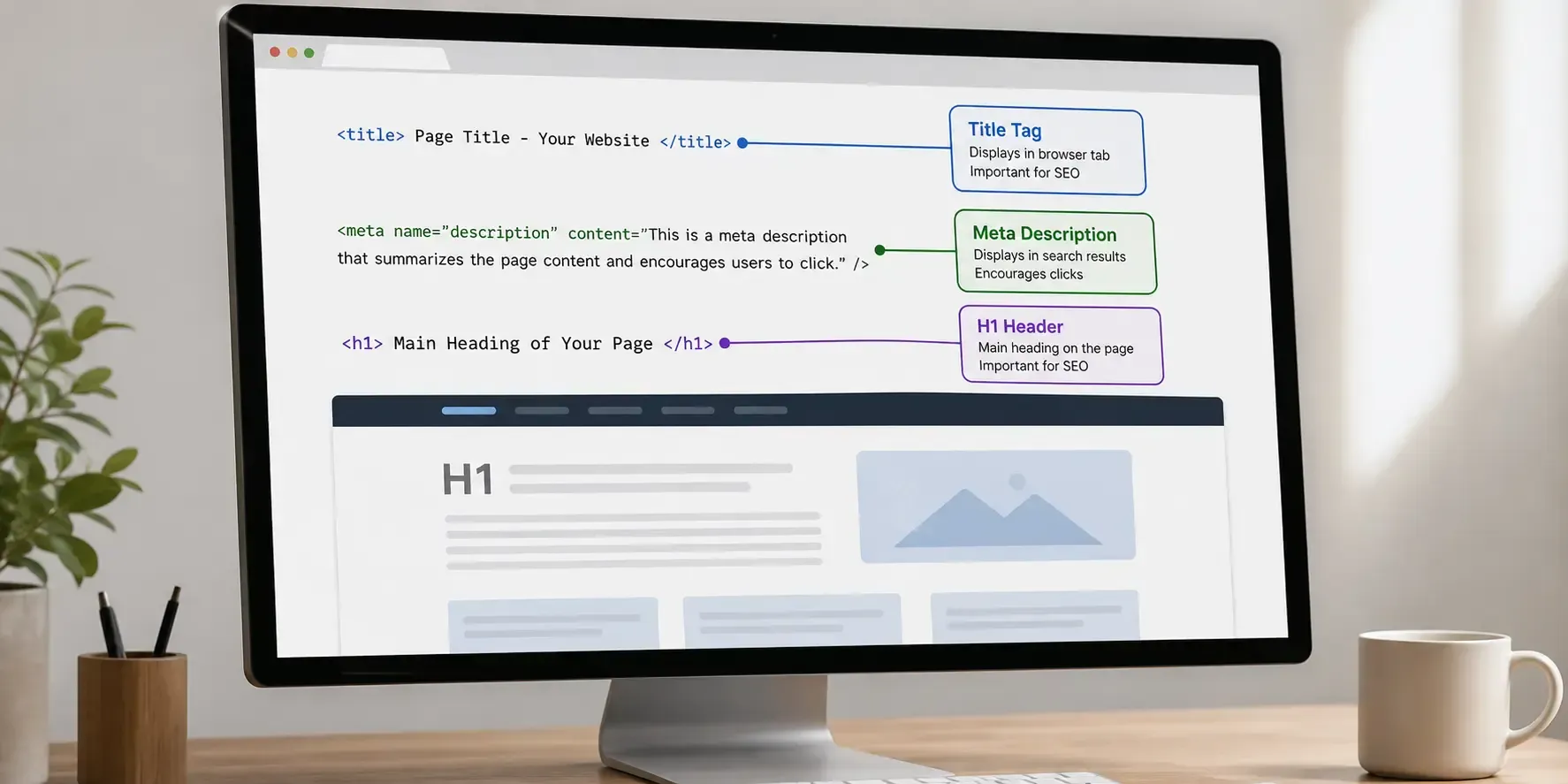
Start with your title tags. The title tag is the blue link that appears in search results. It is the most important on-page element. Your primary high-intent phrase should be near the beginning of this title. Next, look at your meta descriptions. This is the short text under the blue link. It does not directly impact your ranking. However, a well-written description increases your click-through rate. It acts as a mini advertisement for your business.
You also need to use header tags correctly. Use clear headings to break up your text. This makes your content easy to read. It also helps search engines understand your page structure. Include your target phrases naturally within these headings.
Do not force words where they do not belong. Write for humans first. Search engines are smart enough to understand context. They reward pages that provide genuine value to the reader. Quality content always wins in the long run.
Measuring Success and Lead Quality
Search engine optimization is a long-term investment. It requires patience, testing, and consistency. However, the return on investment can be massive. Unlike paid advertisements, organic traffic does not stop when your daily budget runs out. You build a digital asset that generates leads around the clock.
To succeed, you must track your rankings and traffic over time. Use industry tools like Google Analytics and Google Search Console. These free platforms provide incredible insights. They show you exactly which pages generate the most phone calls or contact form submissions.
Do not just measure total traffic. Measure the quality of the leads. Are the people calling your business actually buying? Are they the right type of customer? If you get lots of calls but no sales, your search intent is misaligned. You might be ranking for the wrong terms. Adjust your strategy based on this data. You can find out more about our data-driven philosophy on our company history and vision page.
Actionable Steps for Your Business
You can start improving your lead quality today. Follow these specific steps to build a better search strategy.
- Talk to your current best customers. Ask them exactly what they searched for when they found you.
- Use reliable data tools to find the search volume for those exact phrases.
- Filter your list to focus only on transactional, bottom-of-the-funnel terms.
- Map these specific phrases to dedicated service pages on your website.
- Run a full performance audit on those pages to ensure they load quickly.
- Monitor your competitors to see what phrases they are targeting locally.
- Track your conversions closely and adjust your content every quarter.
Data-driven keyword research changes how businesses grow. It stops the cycle of wasting money on empty traffic. It connects you directly with people who need your help right now. If you are ready to build a system that attracts high-intent leads consistently, reach out to our team. Call us today at 866-343-1888 to discuss your customized growth strategy.
Frequently Asked Questions
What is the main benefit of keyword research for local businesses?
The main benefit is attracting customers who are ready to buy. Instead of guessing what people want, you use real data to find exact search terms. This ensures your website appears when local buyers need your services the most.
How long does it take for SEO efforts to generate high-intent leads?
Search engine optimization is a gradual process. It typically takes three to six months to see significant changes in organic rankings. However, once established, these rankings provide a steady and cost-effective stream of high-quality leads.
Does website analysis improve my search rankings directly?
Yes, it does. Search engines favor websites that offer a great user experience. Analyzing and fixing your page speed, mobile responsiveness, and site structure directly improves your overall search visibility and ranking potential.